Protecting Your Stove and Chimney From Tar
April 17, 2019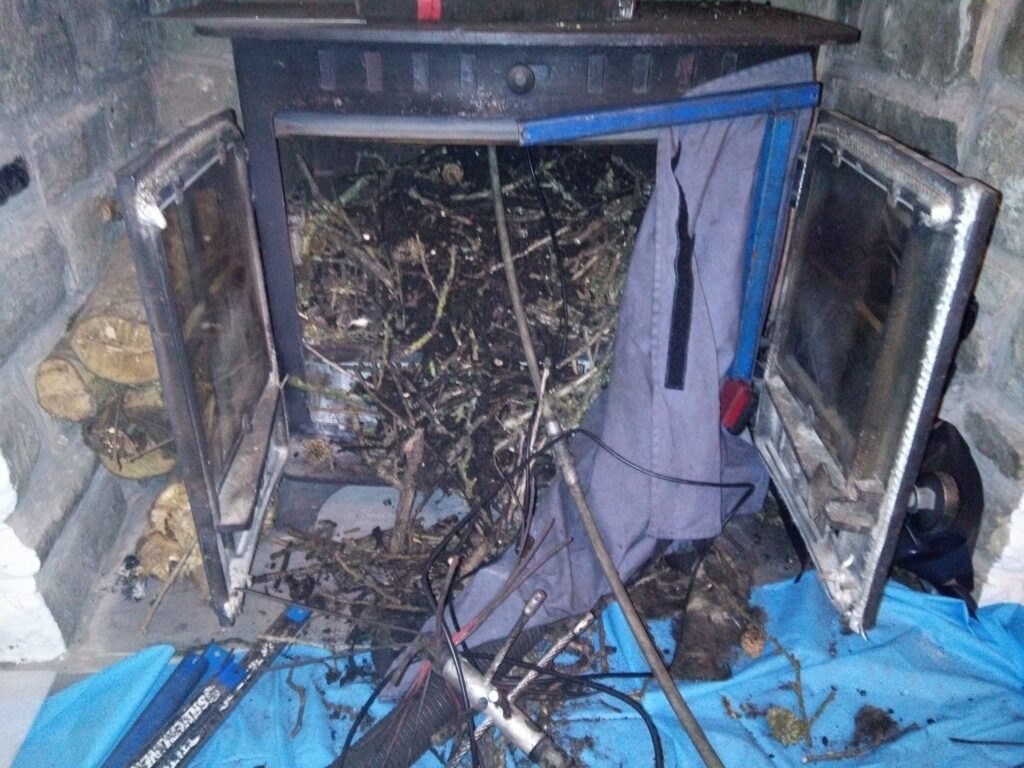
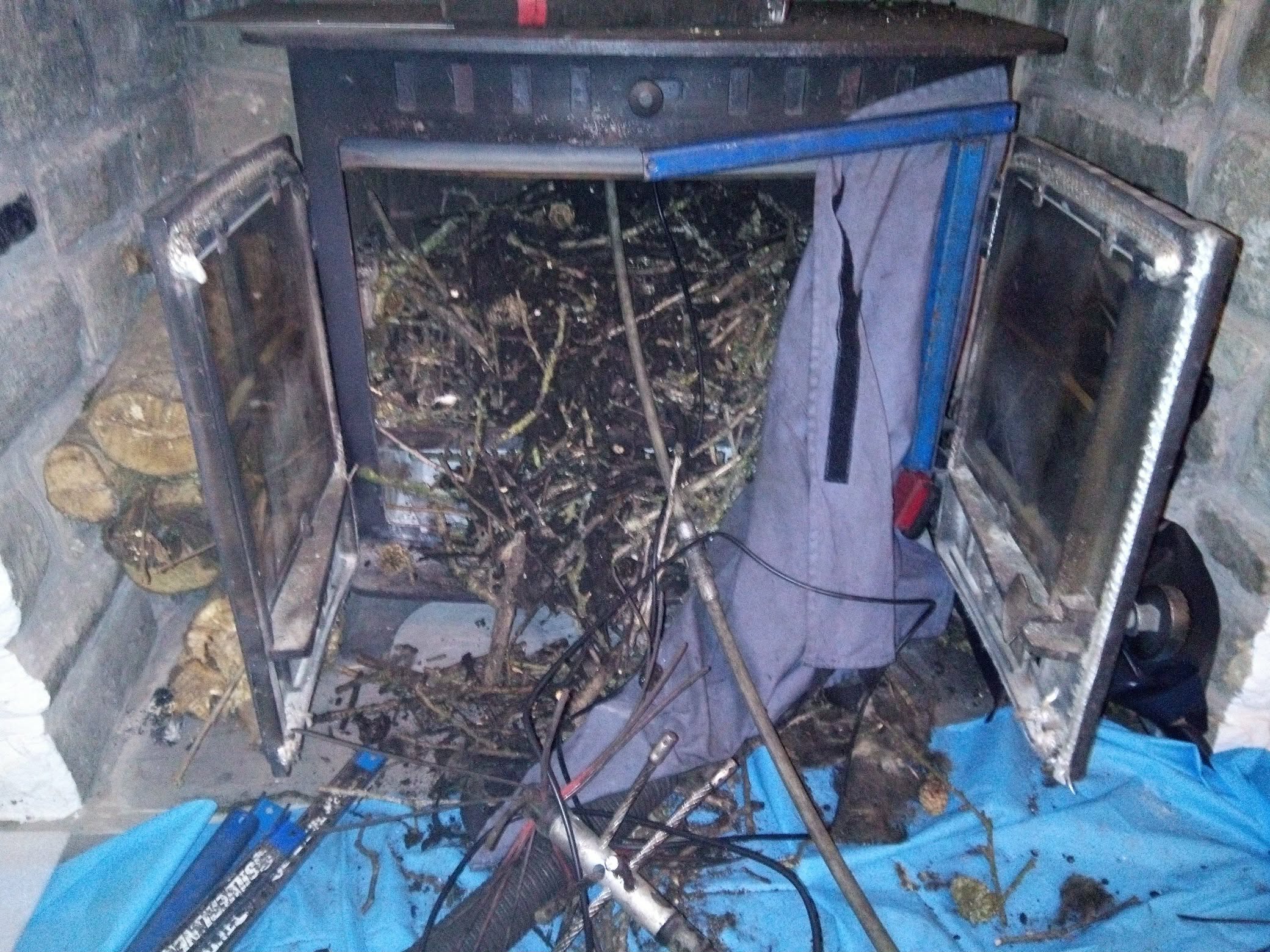
A few twigs falling into your fireplace might not look like a major problem. However, if jackdaws have been nesting in your chimney, what you can see at the bottom may be only a small part of a much larger blockage above.
In my experience, the vast majority of bird nests found inside chimneys are built by jackdaws. They usually begin nesting during spring, particularly where there is no suitable bird guard cowl fitted to the chimney pot.
Once a nest is inside the chimney, the fire or stove must not be used until the birds have left, the nesting material has been removed and the flue has been properly inspected.
Why Do Jackdaws Nest in Chimneys?
Jackdaws naturally look for sheltered cavities in which to build their nests. An open chimney pot can provide a dark, protected space that appears ideal for raising their young.
The birds carry twigs and other nesting materials to the top of the chimney before dropping them down the flue. They continue adding more material until it becomes lodged and forms a base for the nest.
This means the blockage can be much larger than you might expect. A few visible twigs in the fireplace could be connected to a tightly packed nest extending much further up the chimney.
How Can You Tell If Birds Are Nesting in Your Chimney?
Some of the most common signs of a bird nest in a chimney include:
- Scratching, flapping or calling noises coming from the chimney.
- Jackdaws repeatedly landing on or entering the chimney pot.
- Twigs, leaves and other nesting materials falling into the fireplace or stove.
- A sudden change in the way the chimney draws.
- Smoke failing to travel up the chimney properly.
If you think there may be an active nest inside your chimney, do not light the fire or attempt to investigate it by burning anything.
Is a Bird Nest in a Chimney Dangerous?
Yes. A bird nest can partially or completely block the route used by smoke and combustion gases to leave your home.
If you light an open fire, wood-burning stove or multi-fuel stove beneath a blocked chimney, smoke and potentially dangerous gases may be forced back into the room instead of escaping safely outside.
There is also the nesting material itself to consider. Jackdaw nests are largely made from twigs, grass and other combustible materials. By the time autumn arrives, the contents can be tinder dry.
A chimney packed with dry twigs is the last thing you want sitting above a lit fire.
Never try to burn a bird nest out of a chimney. Stop using the appliance and arrange for the chimney to be inspected instead.
When Can a Jackdaw Nest Be Removed From a Chimney?
A jackdaw nest cannot simply be removed as soon as it is discovered.
Wild birds, their eggs and nests are protected by law. It is an offence to intentionally damage or destroy a wild bird’s nest while it is being built or used. You can read more about the protection given to wild birds and their nests on the GOV.UK website.
The nest must therefore remain undisturbed until the chicks have fledged, all the birds have left and the nest is no longer active.
There is no single date on which every nest automatically becomes safe to remove. Breeding times can vary, so the condition of the individual nest must always be considered.
As a cautious working policy, I normally wait until 1 September before carrying out chimney nest removals. Even then, I must be satisfied that the nest is no longer active and that all the chicks have left.
What Does Bird Nest Removal From a Chimney Involve?
Removing a bird nest is not the same as carrying out a routine chimney sweep. A nest removal almost always takes longer, particularly where the material is tightly packed or lodged in a difficult section of the chimney.
The fireplace or stove area is first protected before the nesting material is carefully loosened and removed in stages using suitable chimney sweeping equipment.
Large jackdaw nests can contain a surprising quantity of material. The work has to be completed carefully to remove the twigs and debris without spreading dirt through the customer’s home.
Once the main nest has been removed, the chimney is swept to clear the remaining soot, dust and smaller pieces of nesting material.
Why Is a CCTV Chimney Inspection Needed?
It is not always possible to tell from the fireplace whether every part of the nest has been removed.
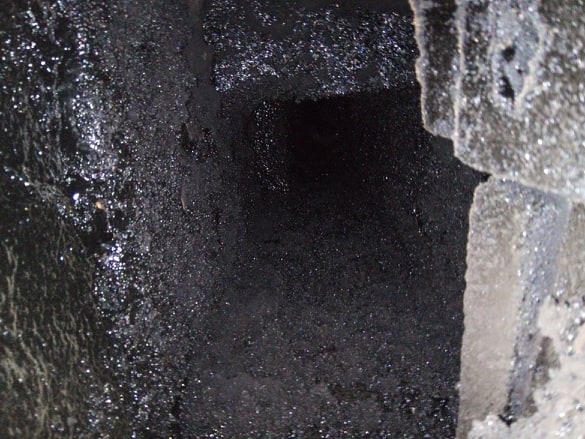
For this reason, my chimney nest removal service includes a CCTV inspection. A specialist camera is passed into the chimney so that I can inspect the inside of the flue and check that no nesting material has been left behind.
The CCTV inspection can also reveal other obstructions or areas requiring further attention that would be difficult to see during an ordinary visual check.
This final inspection is an important part of the job. It provides evidence that the nest has been properly cleared rather than simply removing the material visible at the bottom.
How Long Does Chimney Nest Removal Take?
The time required will depend on the size of the nest, where it has become lodged and how tightly the material is packed.
Some nests can be removed relatively easily. Others are far more difficult and may require repeated work to break up and remove all the material.
Most jobs can be completed within approximately an hour and a half, but particularly large or awkward nests may take longer.
How Much Does Bird Nest Removal From a Chimney Cost?
I usually charge £75 for bird nest removal, including the CCTV chimney inspection.
If the removal takes longer than approximately an hour and a half because the nest is unusually large, compacted or difficult to reach, an additional charge may apply to cover the extra time required.
Please also be aware that I ask the customer to dispose of the removed twigs and nesting material. I am unable to take the nest material away from the property.
How Can You Prevent Jackdaws Nesting in the Chimney Again?
Once the old nest has been removed and the chimney has been confirmed as clear, fitting a suitable bird guard cowl can help stop jackdaws from returning the following spring.
The cowl must be suitable for the particular chimney, flue and appliance. A poorly selected cowl could affect how the chimney performs, so it is important to use the correct type rather than simply covering the chimney pot.
A bird guard must also never be fitted while a nest is active, as this could trap adult birds or chicks inside the chimney.
I can inspect the chimney and advise on a suitable cowl once the old nest has been removed.
Arrange Bird Nest Removal Before Using Your Fire
If birds have been nesting in your chimney during spring or summer, do not wait until the first cold evening of autumn to find out whether the flue is blocked.
Arrange the nest removal before using your fire or stove again. The nesting material can then be cleared, the chimney swept and a CCTV inspection completed to confirm that nothing has been left behind.
Smiths Chimney Sweeping is a family-run, NACS-registered chimney sweeping business serving Chorley, Wigan, Bolton, Blackburn and surrounding areas.
To discuss a suspected jackdaw nest or arrange chimney nest removal, call Andrew on 07504 745787.